It starts as a whisper—a suspicion that your "quirks" are more than just personality traits.
Maybe you have spent years collecting diagnoses like stamps. You treated the anxiety. You managed the depression. You hacked your productivity. Yet, a fundamental friction remains. You feel like a high-performance engine constantly stalling in traffic.
You are not broken. You are likely navigating the complex, often invisible intersection of ADHD and Autism.
Therapist’s Note
I often sit with clients who describe their lives as a series of "almosts." Almost on time. Almost organized. Almost successful. There is a specific kind of grief here—the exhaustion of trying to force a round peg into a square world. If you feel tired right now, let’s pause and acknowledge that. This fatigue isn’t a sign of weakness; it is the evidence of how hard you have been fighting to mask your reality. You are safe here to put the mask down.
The Great Overlap: Is ADHD a Form of Autism?
The short answer is no, but they are cousins who grew up in the same house.
For decades, clinical psychology treated ADHD and Autism as mutually exclusive. If you had one, you couldn't have the other. The DSM-5 finally changed this in 2013, allowing for dual diagnosis. But the question persists: Is ADHD a form of autism?
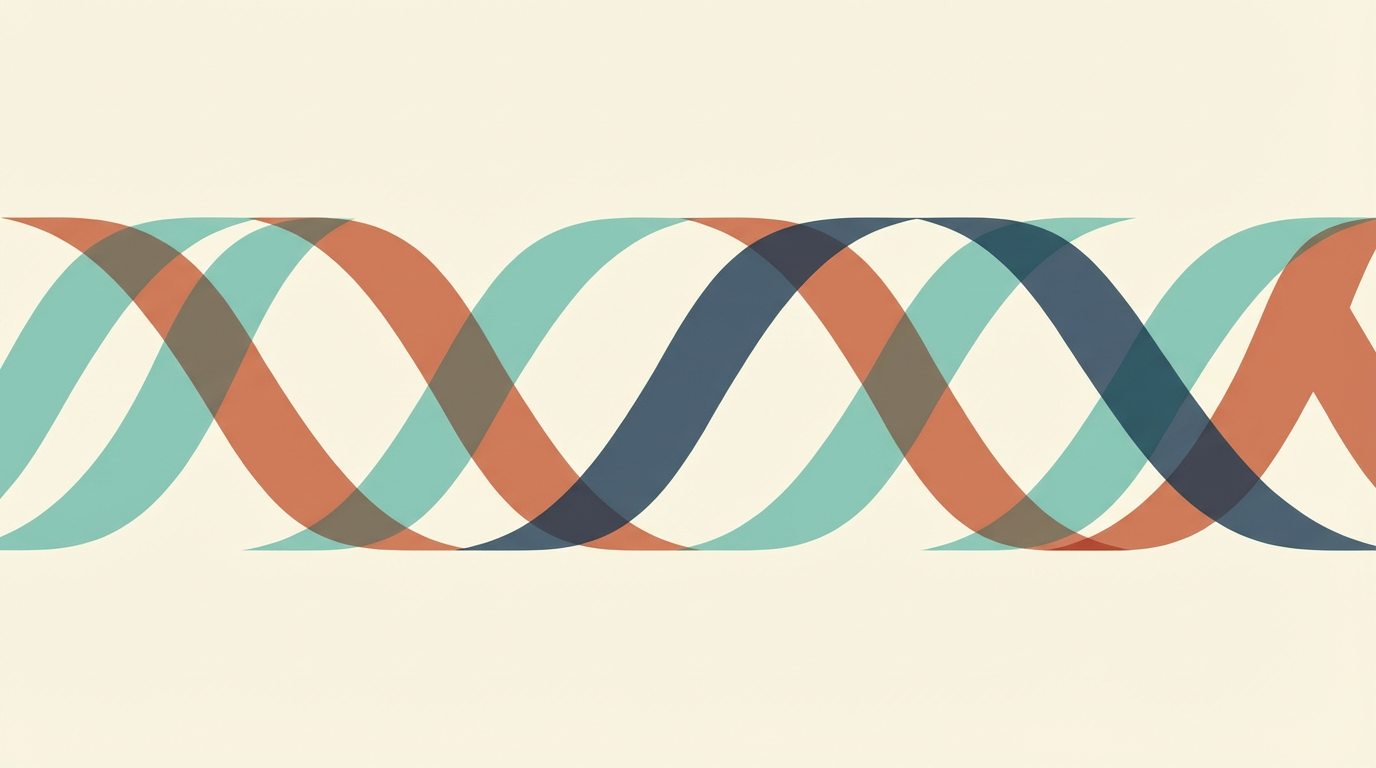
Biologically, they are distinct. However, they share a significant amount of genetic real estate. Think of them not as two separate circles in a Venn diagram, but as a double helix—twisting, touching, and pulling apart.
The Shared Architecture
Both conditions are fundamentally about Executive Function and Sensory Processing.
- Sensory Gating: Both the ADHD brain and the Autistic brain struggle to filter out "background noise." The hum of a refrigerator or the texture of a wool sweater can feel like a physical assault.
- Social Calibration: Both can struggle with social cues, though often for different reasons. The ADHDer might miss a cue because they are distracted; the Autistic individual might miss it because the pattern wasn't recognized.
The Internal Civil War: When You Are Both (AuDHD)
This is where the clinical definitions fail to capture the human experience. Living with both ADHD and Autism (often dubbed AuDHD) is not just a double dose of neurodivergence; it is a paradox. It is an internal civil war.
Esther Perel often speaks of the tension between the need for security and the need for adventure. Nowhere is this more biologically ingrained than in the AuDHD mind.
The Paradox of Needs
Your Autistic side craves routine, sameness, and predictability. It wants to eat the same breakfast, take the same route, and master a specific topic.
But simultaneously...
Your ADHD side craves novelty, dopamine, and chaos. It screams for a new hobby, a spontaneous trip, or a sudden career pivot.
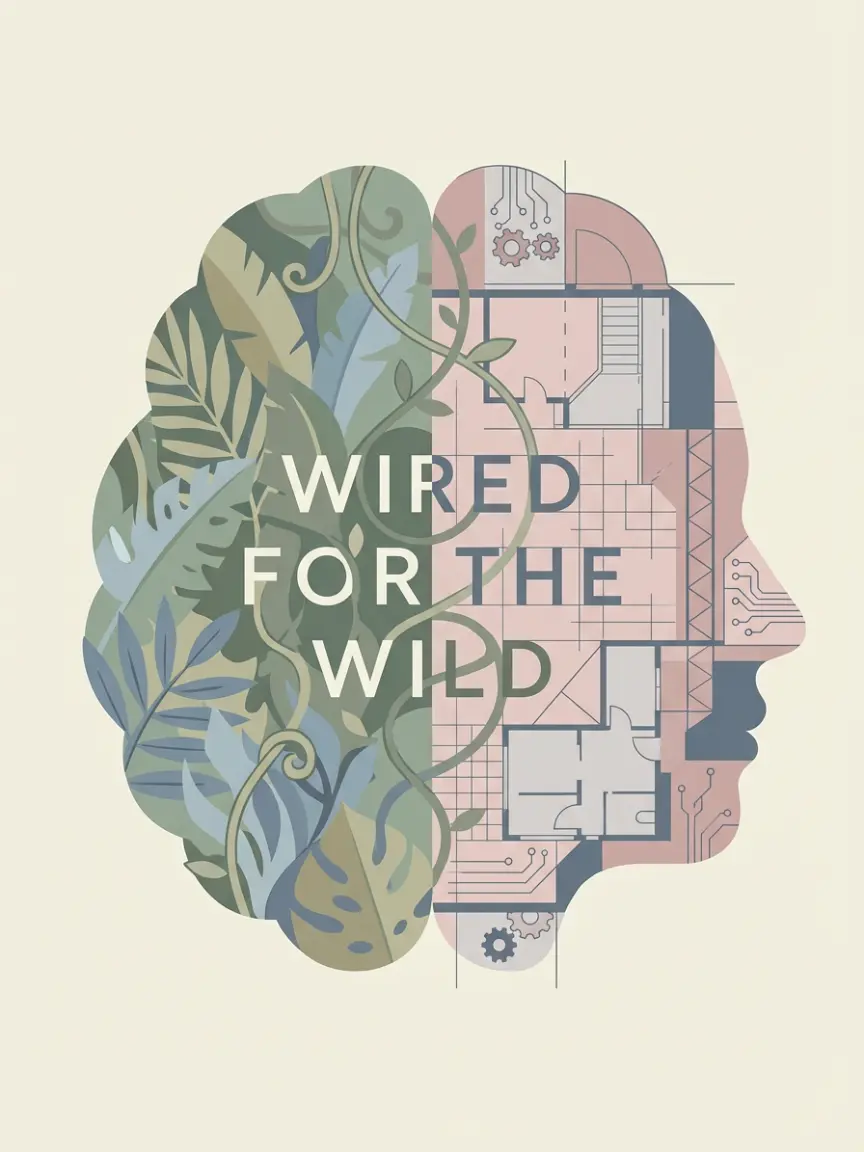
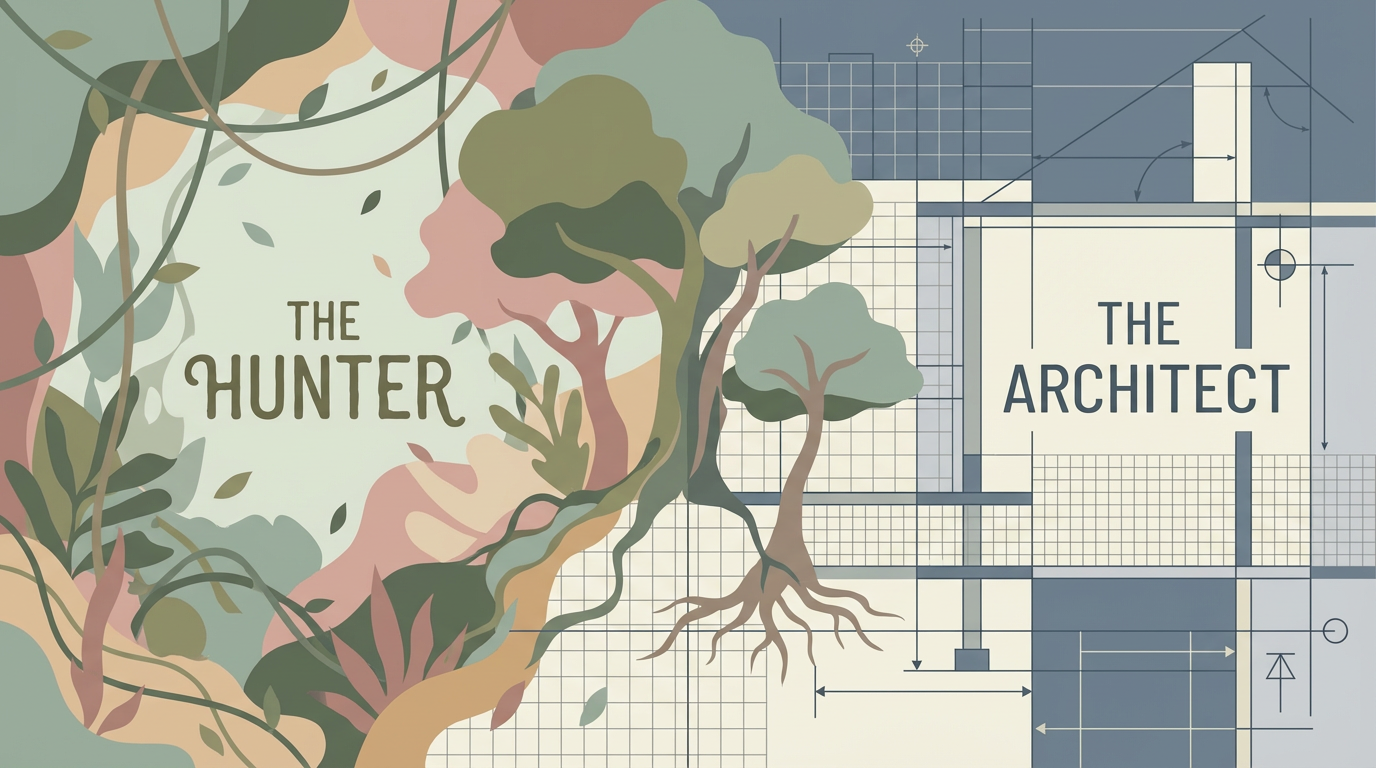
This creates a "Burnout Loop." You build a routine to satisfy the Autism, but within a week, the ADHD brain feels suffocated and blows it up. You then chase spontaneity until the lack of structure sends the Autistic brain into a meltdown. You are the hunter and the architect, trapped in the same body.
Reframing the Struggle: Is ADHD a Learning Disorder?
When clients ask, "Is ADHD a learning disorder?", they are usually asking a deeper question: "Am I stupid?"
Let’s dismantle this. ADHD is not a disorder of capability; it is a disorder of performance. It is not that you cannot learn; it is that the "classroom interface" was not designed for your operating system.
It’s Not a Bug, It’s a Feature Mismatch
In the world of User Experience (UX), we talk about friction. If a website is hard to use, we don't blame the user; we blame the design.
- The Traditional Classroom: Demands linear processing, stillness, and passive absorption.
- The Neurodivergent Brain: Thrives on associative thinking, movement, and active engagement.
When an ADHDer fails a test, it is often not a lack of knowledge. It is a failure of the retrieval mechanism. The information is in there, but the filing system is chaotic.
Therapist’s Note
I want you to recall a moment in school where you knew the answer but couldn't get it onto the paper. Or a time you read the same paragraph five times without absorbing a word. The shame you felt in that moment was toxic. It told you that you were lazy or slow. That was a lie. You were simply a Mac trying to run Windows software. The glitch wasn't you; it was the compatibility.
The Neurobiology of the Hunter
To truly understand this, we must look at our evolutionary history. Thom Hartmann’s "Hunter vs. Farmer" hypothesis provides a compelling lens.
Dopamine and Context
The ADHD brain is a Hunter’s brain. In a prehistoric context, these traits were superpowers:
- Hyperfocus: Necessary for tracking prey for days.
- Distractibility: Necessary to notice a snapping twig (a predator) in the periphery.
- Impulsivity: Necessary to strike instantly when the moment is right.
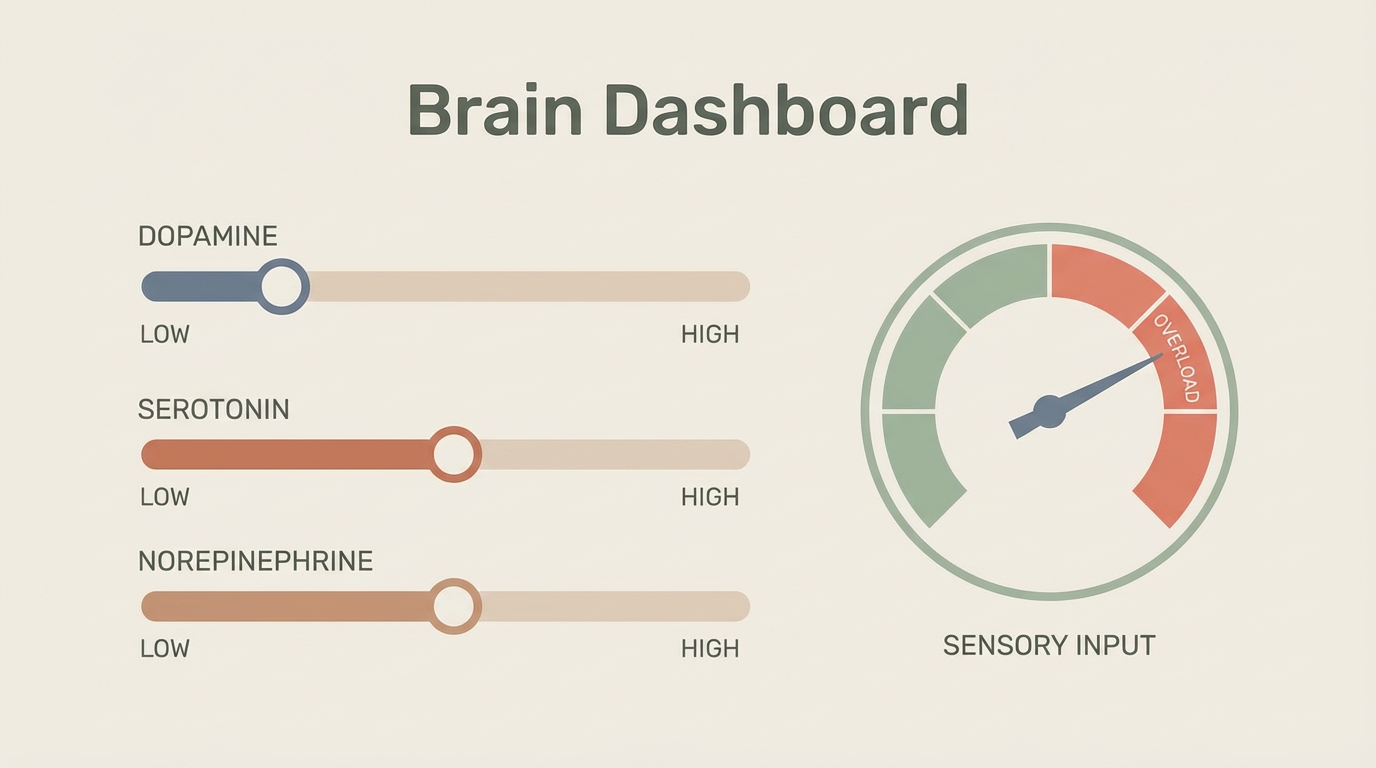
But we live in a Farmer’s world. We are asked to plant seeds and wait months for the harvest (long-term projects, savings, degrees). The Hunter’s brain produces less baseline dopamine, meaning it is constantly starving for stimulation. You are not "bored"; you are chemically undernourished.
Integration: Living with a Complex Mind
The goal of this exploration is not to "cure" your neurodivergence. You cannot cure the shape of your soul. The goal is integration.
It is about negotiating a peace treaty between the Hunter and the Architect. It involves building routines that have "flex" built into them—structures that are firm enough to hold you, but soft enough to let you breathe.
Therapist’s Note
We spend so much of our lives waiting for permission to be ourselves. We wait for a diagnosis, a partner, or a boss to tell us, "It's okay that you work this way." But the only permission that matters is your own.The tension you feel—that electric hum between your need for order and your desire for chaos—is not a defect. It is your engine. The world has enough Farmers keeping the rows straight. We need you to spot the movement in the tall grass. We need your fire.
If this resonance feels familiar—if you felt a quiet "yes" settle in your chest while reading about the Hunter and the Architect—you might be ready to stop guessing and start knowing.